People often talk about sustainable agriculture in terms of the environment. And that’s important. But sustainability means more than rotational grazing, cover crops, or soil health.
At Ferm Consulting, we believe sustainability starts with something even more fundamental: The farm itself must be sustainable.
Not just environmentally. Financially. Physically. Mentally. And personally.
Because if the operation cannot sustain the people running it, eventually nothing else matters.
Farms Should Support Your Life—Not Consume It
Many producers are proud of working from before daylight until long after dark, and sometimes that’s necessary. But exhaustion should not be the business model.
Constant stress. Sleepless nights. Mounting debt. Never taking a vacation. Never leaving the farm. Always being one breakdown or drought away from disaster. That isn’t sustainability- that’s survival. And eventually, survival catches up with people.
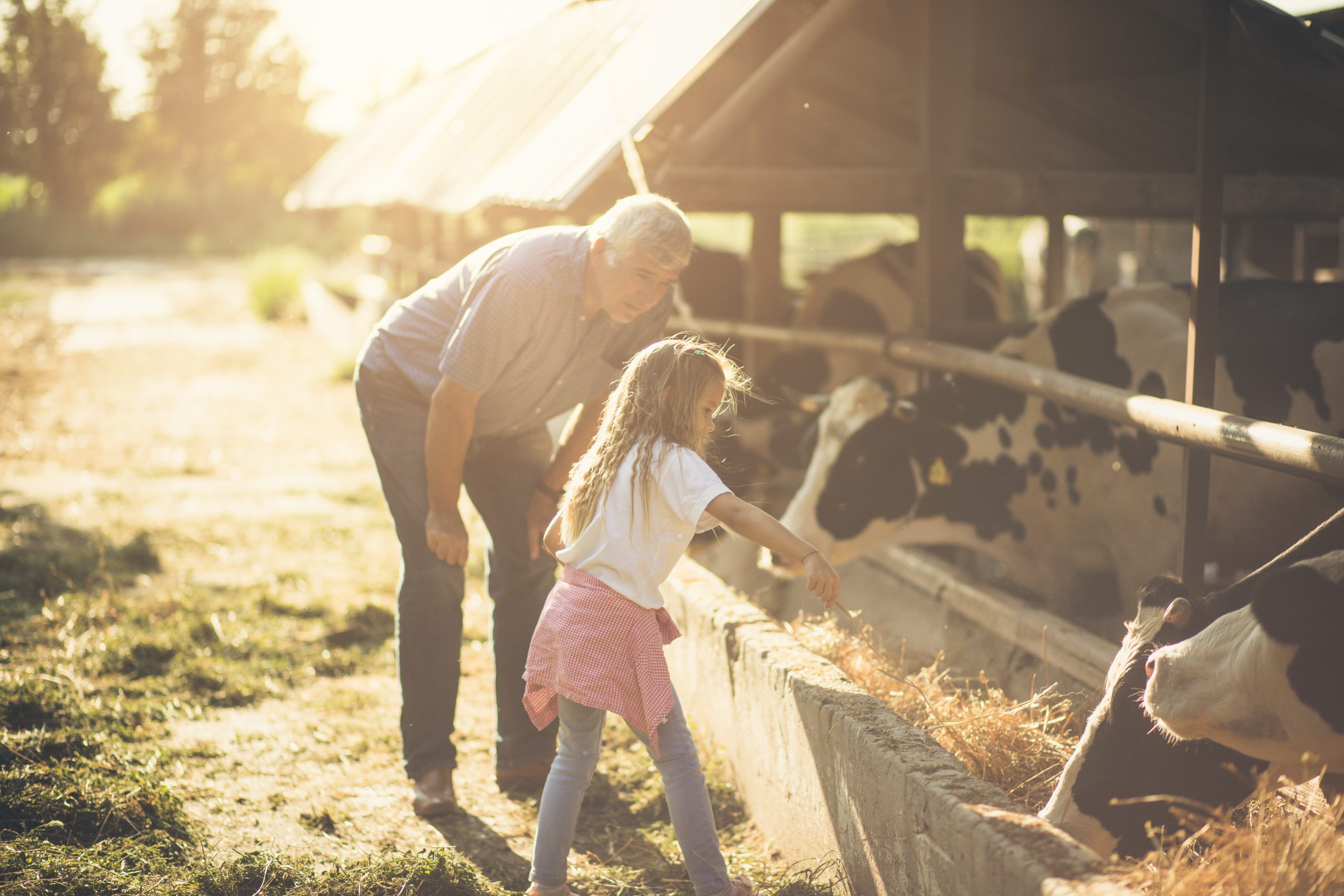
The goal shouldn’t be to build a farm that owns you. The goal should be to build a farm that serves your family and your goals.
Bigger Isn’t Always Better
Agriculture often celebrates growth. More cows. More sheep. More acreage. More equipment.
But growth without profitability isn’t progress. Neither is growth that destroys your health or steals every free moment you have.
Some of the happiest producers we know run relatively small operations. Some of the most stressed own thousands of acres. There is no trophy for burnout. Success looks different for everyone.
Your Animals Should Fit Your Environment
Livestock should thrive in their environment rather than requiring the environment to constantly be modified to support them. This same principle applies to farms themselves. Your operation should fit:
- Your land.
- Your climate.
- Your available labor.
- Your budget.
- Your experience.
- Your goals.
Trying to force a system that doesn’t fit usually leads to frustration and unnecessary expense.
Debt Has a Cost Beyond Interest
Every farm requires investment, but debt carries more than monthly payments. It carries stress, pressure, and less flexibility when things go wrong.
Droughts happen. Markets change. Equipment breaks.
Good years and bad years are part of agriculture. Sustainable farms maintain enough margin to weather both.
Efficiency Matters More Than Size
Many producers assume they need more animals when sometimes they simply need better systems. Reducing feed waste. Improving reproduction. Managing parasites strategically. Improving grazing. Keeping better records. Selecting more efficient genetics.
Small improvements compounded over time often outperform rapid expansion. Profitability doesn’t always come from producing more. Sometimes it comes from wasting less.
The Farm Should Be Physically Sustainable Too
Agriculture is demanding, but broken backs and worn-out knees aren’t badges of honor. Good facilities matter. Good fencing matters. Handling systems matter. Labor-saving infrastructure matters.
Because every unnecessary step gets repeated thousands of times. Every year. Over decades.
A gate in the right place. A better working facility. Water where it belongs. Cross-fencing that improves movement. These things save time, reduce injuries, and make livestock ownership more enjoyable.
Good infrastructure protects people just as much as animals.
Sustainability Includes the Next Generation
Many operations fail because they were never built to be transferred – they depend on one person doing everything. One person knowing everything. One person carrying all the responsibility. That’s not sustainable.
Good farms create systems. They simplify. They document. They make it possible for someone else to step in. Whether that’s a spouse, a child, or simply the person feeding when you’re out of town.
Joy Matters
This may sound strange coming from a consulting business, but we believe people should actually enjoy their farms. You should enjoy walking through your pasture. You should enjoy lambing season more often than you dread it. You should be able to leave for a weekend. You should be able to sleep. You should be proud of what you’ve built.
The farm exists to enrich your life – not consume it.
Stewardship Means Taking Care of Yourself Too
Farmers are some of the most resilient people you’ll ever meet, but resilience doesn’t mean running yourself into the ground. True stewardship means caring for:
- The land.
- The livestock.
- Your finances.
- Your family.
- And yourself.
Because all of those things are connected.
Building Farms That Last
We believe sustainability means building operations that can endure. Operations that are profitable, physically manageable, and that fit the land and the people who care for it.
A truly sustainable farm isn’t just one that survives this year. It’s one that’s still thriving twenty years from now – and one that you still enjoy owning when it gets there. Because if the farm can’t sustain the farmer, eventually it won’t sustain anything else.
No responses yet