Some days start with legal briefs. Some start with bottle lambs. Most involve coffee. All of them involve solving problems.
People often ask how I balance practicing law and farming. The short answer? Some days, I’m not entirely sure. But I wouldn’t trade either one.
Most agricultural lawyers have never pulled a calf at 2 a.m., loaded hay in July, fought parasites in a sheep flock, or worried about a mare colicking on a Sunday afternoon. Likewise, many producers have never spent the morning reviewing contracts, researching regulations, or preparing for a court hearing.
My life just happens to include both. And strangely enough, they complement each other.
No Two Days Look the Same
Some mornings start with coffee and emails. Some start with a ewe that decided 3 a.m. seemed like the perfect time to lamb. Sometimes I’m drafting motions or reviewing contracts before sunrise. Other days begin with filling water troughs, checking fences, and making sure everybody is where they’re supposed to be.
I’ve gone from zoning hearings to feeding bottle babies. From the courtroom to a cattle sale. From conference calls to sorting sheep. From appellate briefs to fixing broken gates.
Farming Keeps Me Grounded
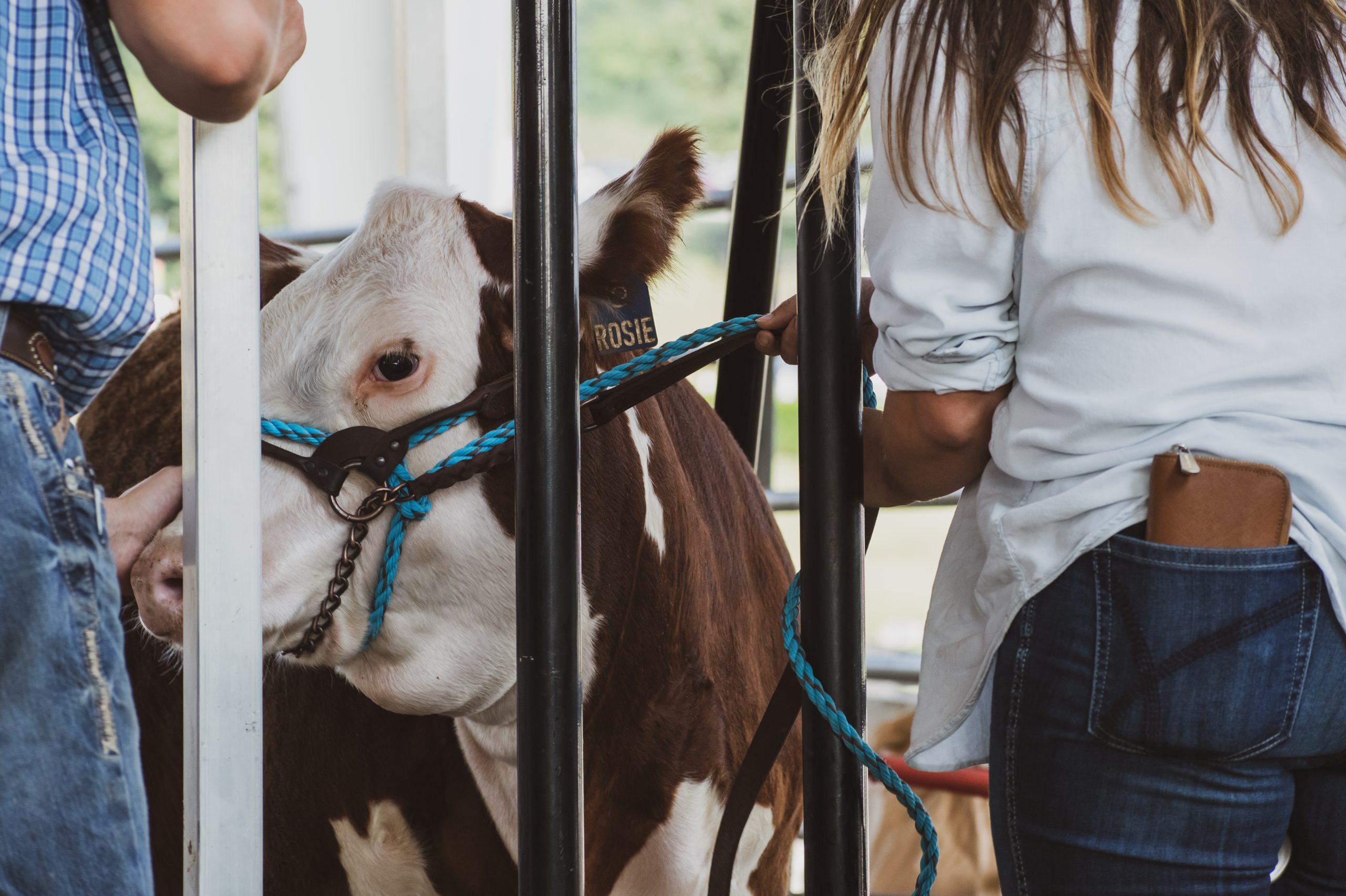
Livestock don’t care about your deadlines, your degrees, or your titles. They still need fed. They still need water. And they still manage to find creative ways to humble you.
Farming has taught me patience, perspective, and the reality that many problems can’t be solved by simply working harder. Some things require observation, good systems, and the willingness to learn and to adapt. Ironically, those lessons apply to law and business, too.
Law and Agriculture Have More in Common Than People Think
At first glance, they seem worlds apart, but both are really about solving problems. Listening, evaluating risks, asking questions, finding opportunities, and helping people navigate difficult situations. Whether it’s a lawsuit, a breeding problem, operational inefficiency, a land-use issue, or a succession plan, the process is remarkably similar. Understand the problem. Develop a strategy. Focus on long-term outcomes. And try not to create bigger problems in the process.
Livestock Make Better Teachers Than Textbooks
Animals are honest. They don’t care about theories; they care about results. A ewe either raises lambs or she doesn’t. A cow either breeds back or she doesn’t. A fence either works or it doesn’t. Livestock have taught me that practical experience matters. And they’ve taught me to appreciate simple solutions. Not every problem requires more complexity – sometimes the answer is fewer moving parts.
Why I Started The Ferm
Agriculture isn’t just something I advise clients about. It’s something I love and live. The frustrations. The expenses. The sleepless nights. The joy. The uncertainty. The excitement when healthy babies hit the ground. The heartbreak when things don’t go as planned. Those experiences shape how I approach both law and consulting.
The Ferm exists because I realized there weren’t many people standing in both worlds. People who understand livestock and land use. Who know breeding season and drafting a breeding contract. Who have delivered oral arguments and delivered foals. Who have stood in court and stood in muddy barns.
Agriculture is complicated. So are businesses. And sometimes producers need someone who understands both.
My Favorite Part
People assume the answer is winning a case or raising a champion animal. And those things are rewarding, but my favorite part has always been helping people. Helping a producer solve a problem. Helping someone build something they’re proud of. Helping protect land. Helping families preserve operations for the next generation. Helping clients sleep better at night.
Farmers and ranchers live in a world that is increasingly regulated by people who have never fed a cow, fixed a fence, or walked through a lambing barn. Agricultural lawyers serve an important role. Not just as advocates. But as translators. Helping farmers navigate laws, agencies, contracts, and issues while helping others understand the realities of agriculture. Understanding that behind every operation, contract, or regulatory issue is a person trying to care for land, animals, and family.
Agricultue, business, law – they’re all about people. And it’s easier to represent and help producers when you’ve lived enough of their lives to understand what they’re protecting. Whether that’s through law or livestock, the goal is the same – to leave things better than I found them.
No responses yet