
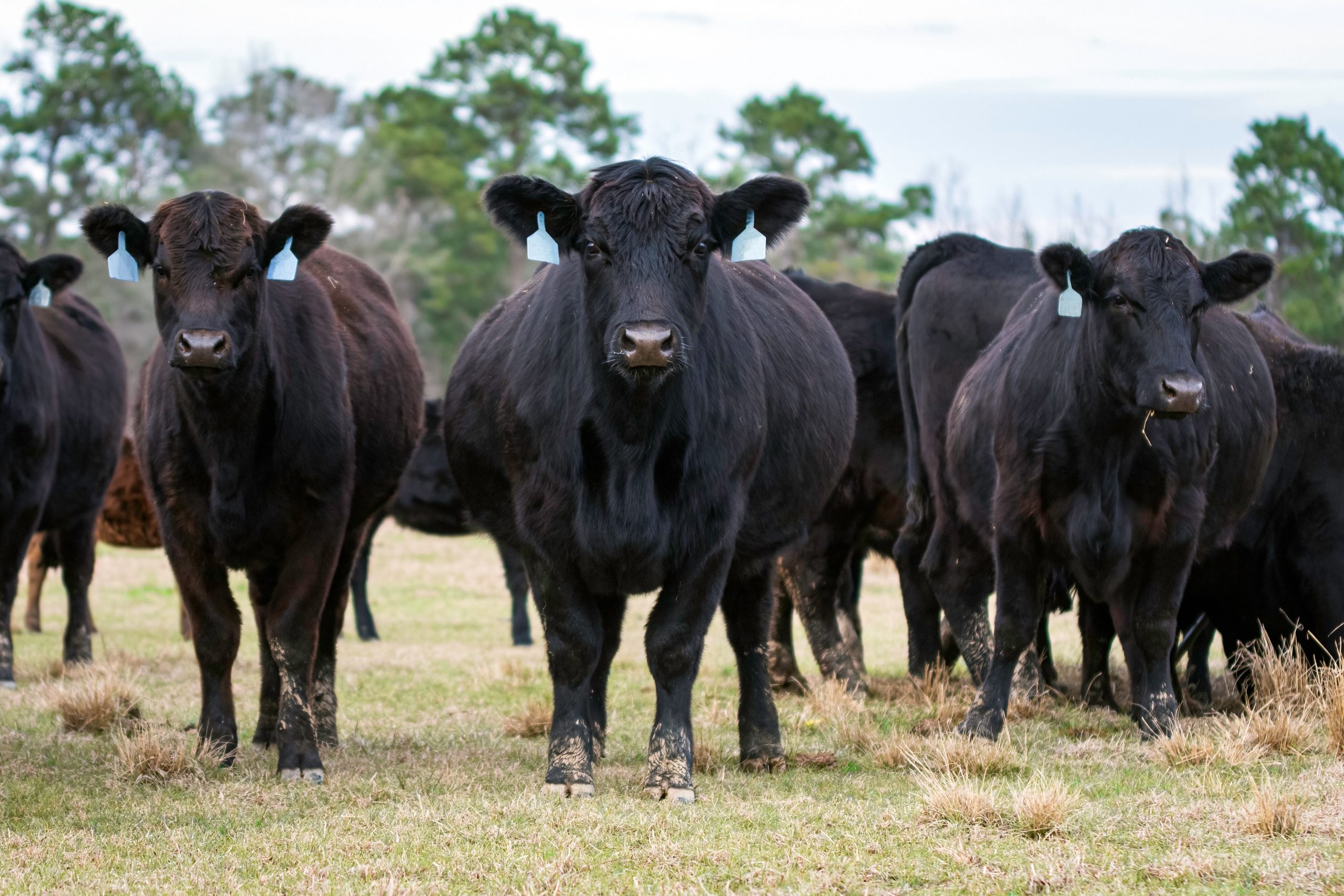
Good females are the foundation of every successful livestock operation. Every replacement female is a vote for the future of your herd or flock. And every female you keep – or cull – is a decision you’ll live with for years.
Whether you’re raising cattle, sheep, or goats, replacement females determine fertility, mothering ability, longevity, feed efficiency, and ultimately profitability. And while it’s tempting to keep the biggest, prettiest, or flashiest females, experience often teaches the same lesson: Pretty doesn’t pay the feed bill. Functional females do.
Ask yourself:
- Does she breed back consistently?
- Does she maintain body condition?
- Does she raise healthy offspring?
- Does she require constant intervention?
- Does she have a sound udder and feet?
- Does she stay productive year after year?
A daughter from a productive, problem-free female often represents a safer investment than one out of a high-performing female that constantly requires assistance.
Performance runs in families. So do problems.
Start With the Old Cows
One of the simplest questions you can ask when selecting replacements is: Which cows are still here?
Not which ones looked good as first-calf heifers. Not which ones won ribbons. Not which ones had the highest yearling weight.
Which cows are still raising quality calves at ten, twelve, or fourteen years of age?
Longevity isn’t an accident. It is the result of fertility, soundness, maternal ability, and adaptability.
As Jan Bonsma taught, form follows function, and function follows form. The females that stay productive the longest tend to possess a certain look because they have already proven they can do the job.
Fertility Pays the Bills
Nothing is more economically important than fertility. Open females don’t generate income. Neither do cows that breed late every year.
Replacement females should come from dams that:
- Breed back consistently.
- Conceive early in the breeding season.
- Maintain tight birthing intervals.
- Raise quality progeny every year.
- Raise early maturing offspring.
- Maintain body condition.
- Require little intervention.
- Have good udders and milk production.
- Stay productive for years.
Fertility is more valuable than growth. Fertility is more valuable than carcass traits. Without reproduction, everything else is irrelevant.
Look for Femininity
Highly fertile females tend to look feminine. They are moderate, refined through the front end, and have plenty of depth and capacity behind. They often display slope from hooks to pins and possess the wedge shape that experienced stockmen have long associated with maternal efficiency and fertility.
The goal isn’t extremes. It’s balance. Nature generally rewards functionality.
Hair Shedding Matters
Early hair shedding is more than a cosmetic trait. The first cows to slick off are often the first cows to breed. Hormonal changes that trigger cycling and fertility are closely tied to hair shedding. In fescue country especially, poor shedders frequently become poor performers.
Pay attention. Your cows are telling you something.
Keep Females That Thrive, Not Ones That Survive
Too many producers make heroes out of problem animals. The bottle calf. The one that always needs help. The one that requires special feed. The one that comes up open every third year. The one that always needs assistance lambing.
Ask yourself: Do I really want more of this?
Every replacement decision is a vote for the future of your herd or flock. Good genetics multiply. Unfortunately, so do bad habits and weaknesses.
Don’t Chase Extremes
The industry has spent decades chasing bigger weaning weights, larger frames, extreme $C, and every new fad. Meanwhile, many producers discovered that bigger isn’t always better.
Extremely large females may consume more feed. Extremely small females may sacrifice production. The most profitable females are often moderate in size, efficient, and capable of thriving in the environment where they live.
The goal isn’t maximum performance. The goal is optimum performance.
Structural Soundness Matters
No female can stay productive if she can’t travel, graze, breed, or raise offspring comfortably. Pay attention to:
- Feet and leg structure.
- Udder quality.
- Milk volume.
- Mouth structure.
- Eye health.
- General mobility.
Structural problems rarely improve with age. In fact, they usually become more expensive. Selecting for longevity starts with selecting sound animals.
Data Matters—But So Does the Animal Standing in Front of You
EPDs and performance records are valuable tools. Use them. But don’t ignore what the animal itself is telling you.
The animal’s form tells a story. The most successful producers use both objective data and practical observation. Neither replaces the other. Together, they help identify the females that will remain productive for years.
Good records help remove emotion from the equation. Track:
- Birth weights.
- Weaning weights.
- Breeding dates.
- Conception rates.
- Lambing or calving intervals.
- Health issues.
- Mothering ability.
- Treatments.
The best females usually reveal themselves over time
Building Functional Herds
Profitable herds aren’t built by chasing the newest sire or the latest trend. They’re built one female at a time. Slowly. Intentionally. And with an eye toward functionality, fertility, and longevity.
We believe the most profitable livestock are those that thrive in their environment and require minimal intervention. We help producers evaluate breeding programs and make selection decisions that fit their operation and goals – whether you’re building a commercial herd, transitioning into registered livestock, or simply trying to improve productivity.
No responses yet