Most farms don’t have just one problem, and most farms don’t need one magic solution. Over the years, we’ve learned that the biggest opportunities are often hiding in plain sight.
Sometimes it’s a gate. Sometimes it’s a mineral feeder. Sometimes it’s a problem ewe everyone has learned to tolerate. Sometimes it’s a breeding decision made years ago.
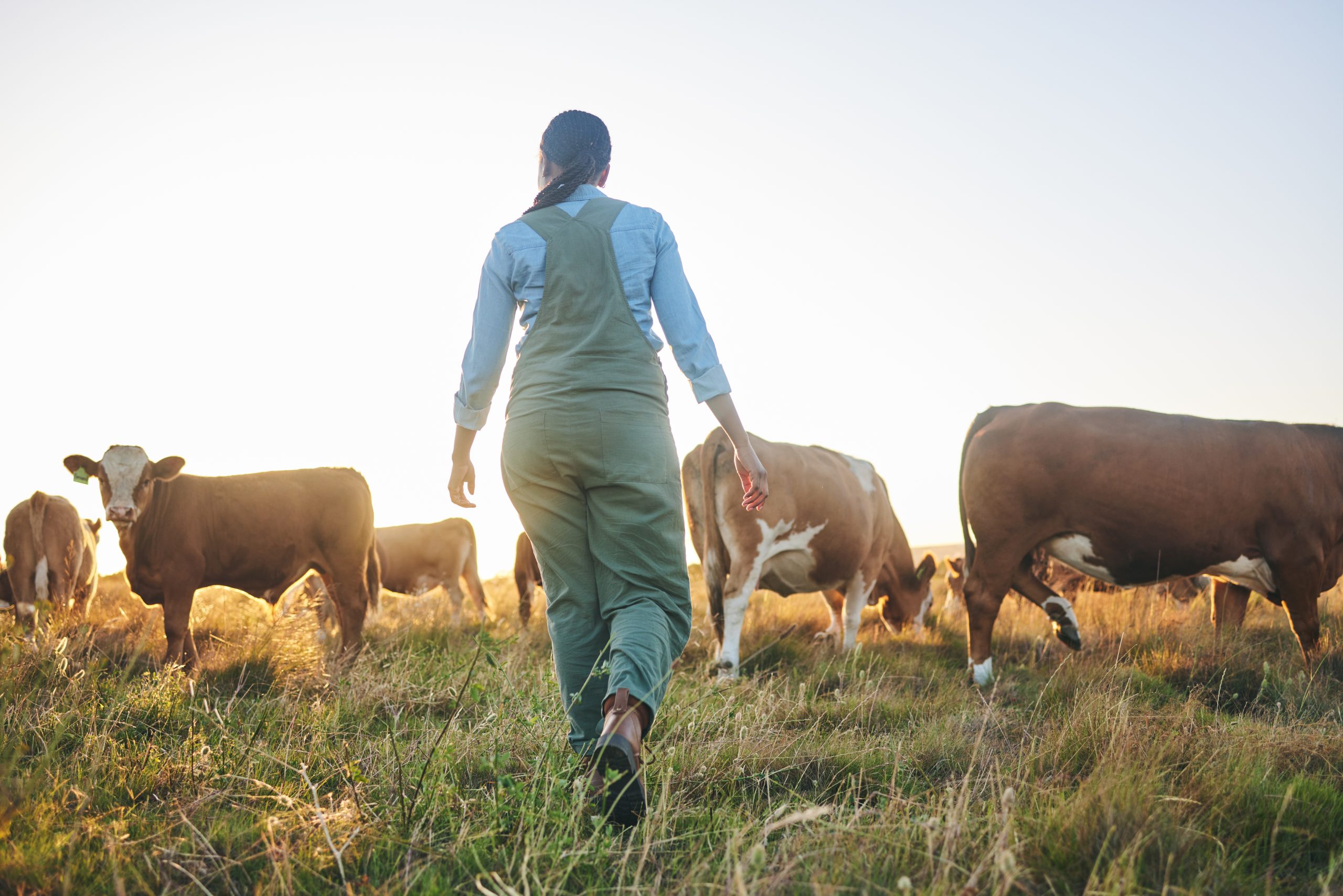
That’s why every on-site consultation starts with something simple: A walk around the farm.
Because before we recommend anything, we want to understand how your operation works – and where it might work better.
We Start by Asking Questions
Before looking at livestock, we want to understand you.
What are your goals?
- Supplemental income?
- A seedstock operation?
- Family enjoyment?
- Transitioning from commercial to registered livestock?
- Preparing for retirement?
- Leaving something for the next generation?
There is no one-size-fits-all answer. The best solutions are the ones that fit your land, your budget, your time, and your goals.
We Look at Livestock
Healthy animals are the foundation of every operation. We’re paying attention to:
- Body condition.
- Hair coat.
- Feet and structure.
- Parasite pressure.
- Udder quality.
- Reproductive performance.
- Temperament.
- Genetics.
- Mothering ability.
- Overall thriftiness.
We’re asking:
- Which animals are thriving?
- Which ones require constant intervention?
- What are the herd or flock’s strengths?
- What problems keep recurring?
Sometimes the answer is genetics – sometimes it’s management. Usually it’s a combination of both.
We Look at Facilities
Animals and people should move safely. We’re evaluating:
- Working pens.
- Gates.
- Alleys.
- Loading facilities.
- Water systems.
- Barn layouts.
- Fence conditions.
- Predator protection.
- Labor efficiency.
A poorly placed gate gets used thousands of times. A good facility saves time every day. Little things matter.
We Look at Grazing and Pastures
Grass is often the cheapest feed you’ll ever buy. We’re looking at:
- Stocking rates.
- Water availability.
- Cross-fencing.
- Pasture utilization.
- Weed pressure.
- Erosion issues.
- Shade.
- Heavy-use areas.
- Opportunities for rotational grazing.
Sometimes a small change in grazing management creates major improvements in productivity.
We Look at Nutrition
Feed is one of the biggest expenses on the farm. We’re asking:
- Are animals maintaining body condition?
- Is the mineral program appropriate?
- Is hay quality adequate?
- Are different groups being fed differently?
- Are there opportunities to reduce waste?
Nutrition problems don’t always look like starvation. Sometimes they look like open cows, weak lambs, or poor growth.
We Look at Work Flow
Can one person safely operate this farm? How many extra steps are being taken? Where are the bottlenecks? Could chores be easier? Could handling facilities work better? Could labor be reduced?
Small inefficiencies repeated every day become expensive.
We Look at Records and Decision-Making
Good records turn memories into information. We want to know:
- What is working?
- What isn’t?
- Which animals make money?
- Which ones don’t?
- Are culling decisions being made?
- Are breeding goals clearly defined?
Sometimes the biggest problem isn’t lack of information – it’s having too much information trapped inside someone’s head.
We Look for Opportunities
Can additional income streams be created? Would registered livestock make sense? Could cost-share opportunities help improve infrastructure? Are there enterprises that should be expanded – or eliminated? Would succession planning benefit the operation? Are there risks that haven’t been addressed?
Fresh eyes often reveal opportunities owners stop seeing because they’ve become accustomed to them.
We Don’t Show Up With Prepackaged Answers
Every farm is different. What works for one producer may not work for another. We’re not there to criticize. We’re there to help.
And sometimes the answer isn’t spending more money. Sometimes it’s:
- Simplifying.
- Culling harder.
- Moving a gate.
- Changing a breeding decision.
- Improving grazing.
- Fixing a water system.
- Doing less—but doing it better.
It’s More Than a Farm Walk
We don’t believe in generic recommendations – we believe in understanding the operation from the ground up.
Because healthy livestock, good facilities, efficient systems, and profitable businesses all work together. And sometimes the most valuable thing we bring isn’t a complicated answer. It’s a fresh set of eyes.
No responses yet