
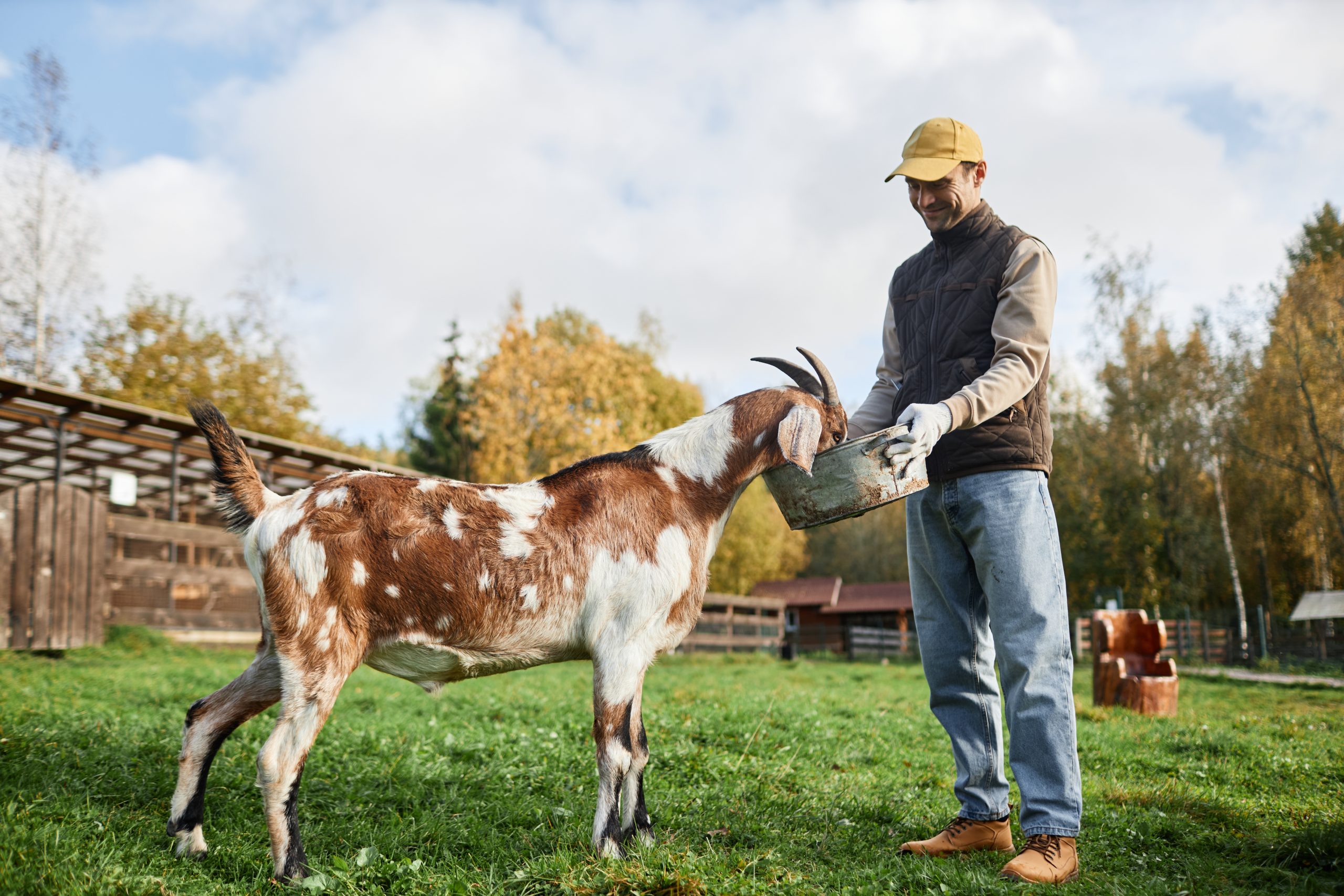
Many farms begin with a dream. A few acres. A handful of animals. Fresh eggs. Maybe a garden. Maybe a horse or two.
And then one day, you realize you’ve accumulated more than a hobby. You’ve accumulated expenses. And you start asking a new question: “Can this thing actually pay for itself?”
The answer is yes – but not by accident. Turning a hobby farm into a business requires a shift in mindset.
Stop Thinking Like a Consumer
When you’re a hobby farmer, it’s easy to make decisions based entirely on emotion. Buy the pretty ewe. Purchase another tractor. Add another species. Build the fancy barn.
There’s nothing wrong with enjoying your farm, but businesses make decisions differently. Businesses ask:
- Will this investment pay for itself?
- Does this make me money or simply cost money?
- Am I buying because I need it—or because I want it?
- Is there a better return elsewhere?
You don’t have to remove the joy, but you do have to understand the numbers.
Know Your Costs
Many producers know how much they spend. Few know how much it costs to produce a calf, lamb, bale of hay, or dozen eggs. Without that information, it’s impossible to know whether you’re profitable.
Track:
- Feed costs.
- Veterinary expenses.
- Equipment purchases.
- Fertilizer.
- Fuel.
- Mortality losses.
- Breeding expenses.
- Labor.
- Repairs.
You don’t need complicated spreadsheets, but you do need records – because you can’t manage what you don’t measure.
Start With One Thing and Do It Well
One of the biggest mistakes we see is trying to do everything – cattle, sheep, goats, pigs, chickens, bees, hay, vegetables, a pumpkin patch, an Airbnb. Before long, you’re exhausted and mediocre at all of them.
Successful businesses usually start with one enterprise done exceptionally well. Expand later. Master something first.
Think Beyond Pounds
A business isn’t just about selling livestock. There are many ways to create value – registered breeding stock, hay, boarding, custom grazing, consulting, farm products, agritourism, direct-to-consumer sales, education.
Sometimes the biggest opportunity isn’t more animals – it’s a different product.
Build Systems, Not Chaos
Businesses depend on systems. Can someone else feed your animals if you’re gone? Can you find breeding records quickly? Can you catch and sort animals efficiently? Do you know which females should be culled?
If your entire operation depends on one person remembering everything, you’ve built a burden – not a business. Good systems create freedom.
Infrastructure Pays Dividends
Good fences, reliable water, working facilities, efficient gates, feed storage – these things may not be exciting, but they make every chore easier.
Infrastructure doesn’t just save labor. It reduces frustration and creates capacity for growth. The best investments are often the ones you appreciate every single day.
Learn to Cull More Than Livestock
Businesses require hard decisions. Sometimes that means culling animals. Sometimes it means culling bad habits. And sometimes it means culling entire enterprises.
Not everything deserves a permanent place on the farm. Just because you’ve always done something doesn’t mean it deserves to continue. Successful producers learn when to let go.
Profitability Matters More Than Size
Many people assume success means more acres and more animals – not necessarily. A profitable operation with twenty ewes may outperform an unprofitable operation with two hundred.
Growth without profit is just bigger problems. The goal isn’t to impress your neighbors – it’s to build something sustainable.
Understand That Businesses Serve Customers
Once you start selling products, genetics, or services, you’re no longer just raising animals. You’re serving customers.
That means:
- Communication matters.
- Reputation matters.
- Honesty matters.
- Relationships matter.
People remember how you treat them. And trust takes years to build.
The Goal Isn’t Necessarily to Quit Your Day Job
Not every farm needs to replace a full-time income. For many families, success simply means:
- Paying for itself.
- Covering feed bills.
- Providing supplemental income.
- Funding improvements.
- Preserving a way of life.
And that’s okay. Success doesn’t have to look the same for everyone.
Build the Farm You Actually Want
Social media has convinced many people they need to become full-time farmers overnight. Most successful operations didn’t happen that way.
They grew slowly. They made mistakes. They adjusted. They evolved. And they built something that fit their land, their resources, and their lives.
Because the goal isn’t to turn your passion into another source of stress; it’s to build something that supports the life you want to live.
Helping Producers Take the Next Step
We help producers evaluate opportunities, improve efficiency, transition from hobby farms to profitable operations, and build systems that make growth possible. Whether you’re starting with five acres or fifty, our goal is simple: To help you build a farm that works for you – financially, physically, and practically.
Because there’s nothing wrong with having a hobby, but if you’re going to invest this much time, money, and heart into your farm, it might as well help pay the bills.
No responses yet